Recognizing When Conservative Pain Care Is No Longer Enough and What to Do Next
January 9, 2026
Neuropathy Treatment in Collegedale, TN: Reclaim Your Life from Nerve Pain
April 6, 2026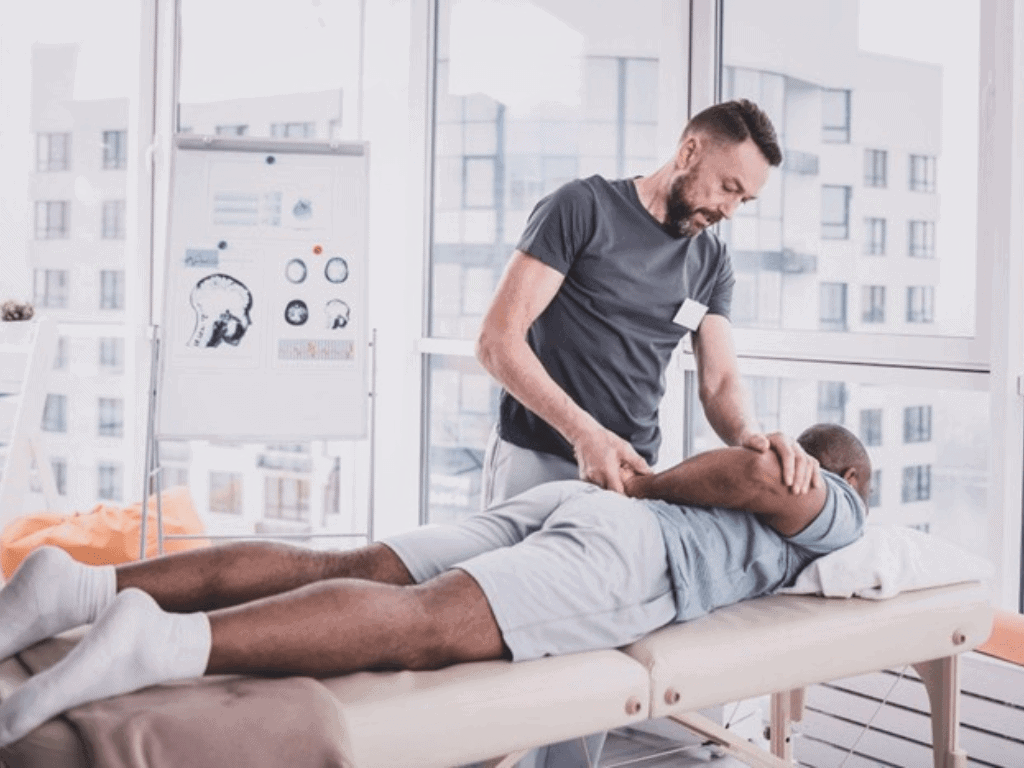
Many people experience short-term relief from isolated treatments, only to find the pain returning weeks later. This cycle often continues because the body’s systems are treated separately rather than as a coordinated whole. Long-term pain relief requires addressing how your joints move, how your muscles support those joints, and how your nervous system responds to stress and load.
Why Pain Persists When Care Is Not Coordinated
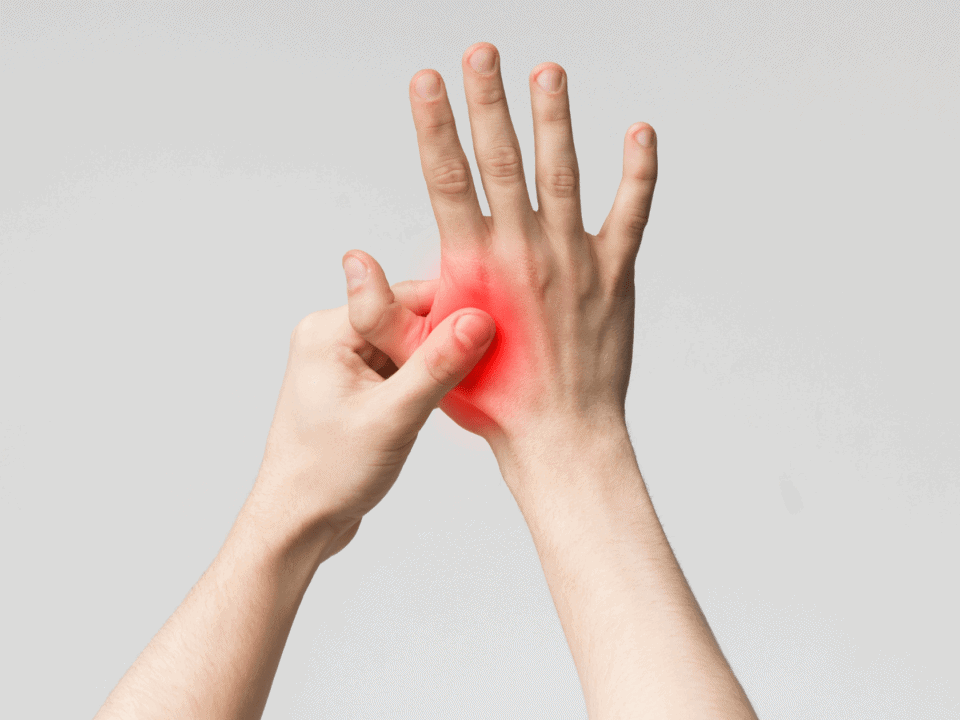
Nerve compression, disc irritation, and chronic inflammation frequently begin with restricted joint motion that alters nerve signaling. As surrounding muscles tighten to protect the area, that compensation can become a lasting source of dysfunction.
Correcting alignment without retraining movement often leads to relapse, while strengthening around poor mechanics can reinforce the problem. Coordinated chiropractic care restores joint mobility and eases nerve irritation, while physical therapy retrains movement patterns to support lasting recovery.
How Physical Therapy Complements Chiropractic Treatment
Chiropractic care helps restore proper joint motion and reduce nerve irritation, but lasting results depend on what happens next. Physical therapy bridges that gap by teaching the body how to support those corrections in real life. Once joints move correctly, muscles must relearn how to stabilize, coordinate, and carry loads without falling back into old, compensatory patterns.
Through guided, progressive exercises, physical therapy rebuilds strength, balance, and control in a way that respects healing tissues. This reinforcement helps protect corrected joints, improves movement confidence, and turns short-term relief into long-term functional progress.
Key Principles Behind Coordinated Care
A dual-approach strategy relies on specific physiological principles to restore function. This is not merely about doing two things at once; it is about how these therapies amplify each other.
Structural Restoration and Decompression
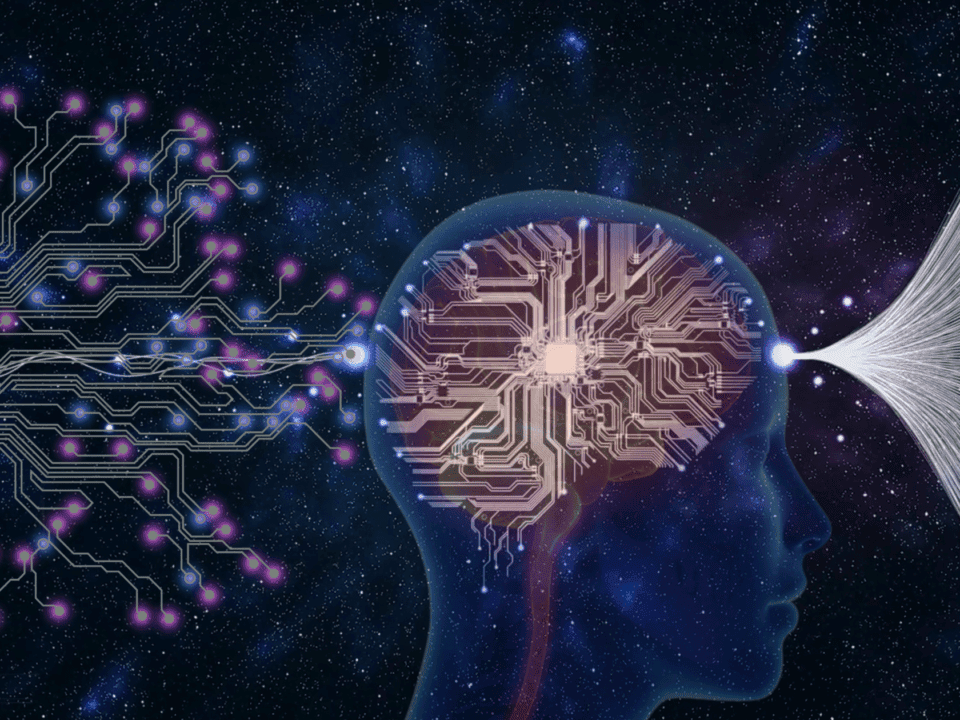
The first priority is restoring joint mobility. Chiropractic adjustments specifically target hypomobile joints to reduce pressure on the nerve roots. This is critical for conditions like sciatica, where mechanical compression is the primary antagonist. By restoring range of motion, the nervous system’s “threat level” decreases, reducing pain signals.
Neuromuscular Re-education
Once the joint is moving correctly, the brain must relearn how to control it. This is where physical therapy in Collegedale, TN protocols become essential. Through specific exercises, you retrain the proprioceptive system, the body’s ability to sense position in space. This ensures the muscles fire in the correct sequence to stabilize the spine during movement.
Load Management and Tissue Adaptation
Healing tissues require specific amounts of stress to recover without re-injury. Coordinated care involves a progressive loading strategy. We start with isometric stabilization (muscle contraction without movement) and progress to dynamic functional movements. This carefully graded exposure builds tissue tolerance and prevents the setbacks common in aggressive exercise programs.
Reduction of Systemic Inflammation
Misalignment and poor movement patterns cause chronic low-grade inflammation. By correcting the mechanics, the body’s inflammatory response naturally subsides. This creates a physiological environment conducive to healing, which is vital for patients seeking effective neuropathy treatment.
The Step-by-Step Integrated Recovery Process
To move from chronic pain to functional freedom, a structured clinical pathway is required. This process ensures that every therapeutic intervention is timed correctly for maximum physiological impact.
Assessment and Pain Reduction
Care begins with a thorough evaluation to identify joint restrictions, nerve involvement, and muscular imbalances. Early treatment focuses on reducing pain, inflammation, and nerve irritation so your body can begin to respond positively.
Restoring Mobility
Once symptoms settle, care shifts toward improving joint motion and flexibility. Chiropractic adjustments and soft tissue techniques work together to restore movement and reduce mechanical stress.
Stabilization and Strengthening
As mobility improves, rehabilitation becomes the priority. You build strength, endurance, and coordination in muscles that protect your spine and joints. This phase is critical for preventing flare-ups and supporting long-term results.
Functional Integration
The final stage prepares you for daily life. Exercises are tailored to your work demands, hobbies, or activity goals so your body can handle real-world movement with confidence and control.
You don’t have to accept recurring pain as a part of aging. If you are ready to stop cycling through temporary fixes and start addressing the real cause of your pain, coordinated care can make the difference. Visit Collegedale Physical Medicine to schedule your consultation and learn how an integrated chiropractic and physical therapy approach can help you