How Our Personalized Neuropathy Treatment Plans Stand Out From the Rest – Find Out!
June 11, 2026
Non-Surgical Neuropathy Treatment Options in Collegedale
July 17, 2026

By Dr. Gregory Schrader, Collegedale Physical Medicine
Navigating the complexities of neuropathy can often lead individuals to explore various treatment options, particularly ones that do not involve invasive procedures. Non-surgical neuropathy relief methods provide a range of natural treatment alternatives tailored to alleviate chronic pain and enhance quality of life. This article delves into the spectrum of these therapies, evaluating their effectiveness and helping residents in Collegedale, Chattanooga, and Ooltewah consider the options available to them. By addressing key aspects of non-surgical methods, including their mechanisms and potential benefits, individuals can make informed decisions for their health. Explore Collegedale Physical Medicine for tailored non-surgical solutions.
From understanding natural treatment options to recognizing specific symptoms that warrant intervention, this article covers essential insights on managing neuropathy effectively. We will explore the various non-surgical treatment avenues available, including the latest advancements in therapy, common symptoms of neuropathy, and when to seek medical advice.
Natural Treatment Options

Exploring non-surgical treatment methods is essential for those suffering from neuropathy. These therapies aim to alleviate symptoms and improve overall nerve function without invasive procedures. Each treatment offers distinct mechanisms and benefits, providing a comprehensive approach to pain relief.
Collegedale Physical Medicine specializes in non-surgical options, ensuring treatments are tailored to individual needs. With their expertise, patients receive personalized protocols designed to address their specific neuropathy cases.
Low-Level Light Therapy (LLLT)
Low-Level Light Therapy (LLLT) is a non-invasive treatment that utilizes specific wavelengths of light to stimulate the healing process at a cellular level. By penetrating the skin, LLLT helps increase blood circulation and reduce inflammation, which are vital for nerve regeneration. This method is not only effective for pain relief but also assists in enhancing overall nerve function through improved cellular activity.
Electrostimulation and Nerve Re-Education
Electrostimulation involves the use of electrical currents to reactivate nerve signals that may have been damaged or disrupted. This therapy can often be implemented in a home setting, allowing for flexibility in treatment. Patients may experience restored nerve communication, which can lead to improved function and sensation in the affected areas.
Advanced Nutrition Therapy
Nutrition plays a crucial role in nerve health and recovery. Advanced Nutrition Therapy targets specific dietary needs that help reduce inflammation and promote nerve regeneration. By focusing on a diet rich in essential vitamins and nutrients, patients can support overall neuronal function, which is critical for managing neuropathy symptoms effectively.
Chiropractic Care
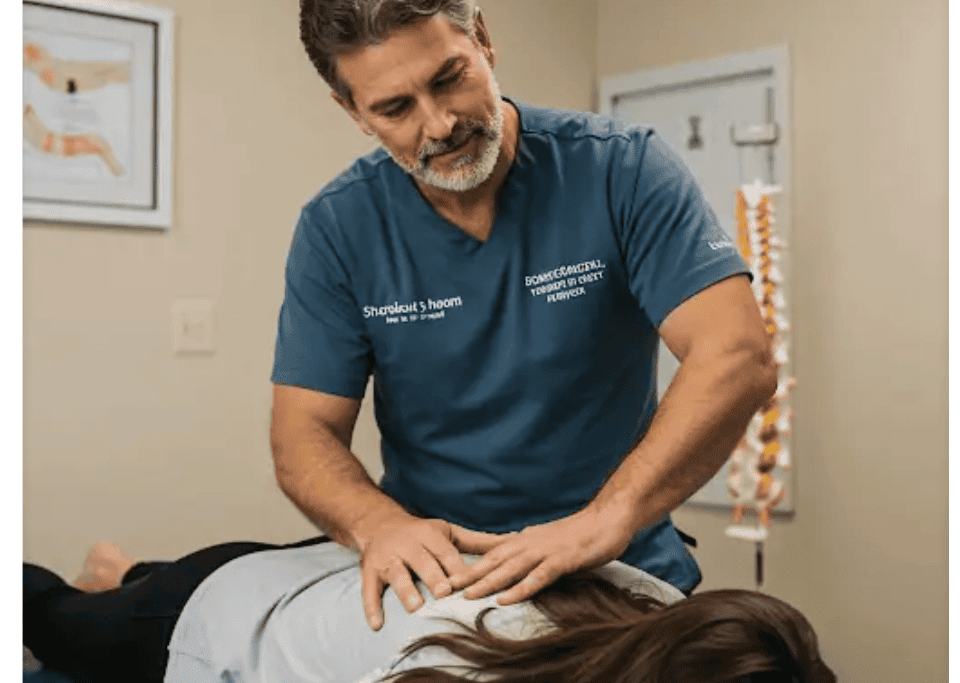
Chiropractic care is an essential facet of non-surgical neuropathy relief that involves spinal adjustments to alleviate discomfort and enhance nervous system function. By correcting misalignments, chiropractic treatment can reduce pressure on the nerves, leading to immediate pain relief and improved mobility for patients. The holistic approach of chiropractic care underscores the importance of maintaining a healthy spine for optimal nerve function.
Physical Therapy
Physical therapy provides structured exercise programs designed to improve strength and functionality in neuropathy patients. Through targeted physical activities, patients can enhance balance and circulation, which are vital for nerve health. Collaborative personalized plans ensure that individuals engage in safe and effective exercises tailored to their therapeutic needs.
Chronic Pain Management Strategies
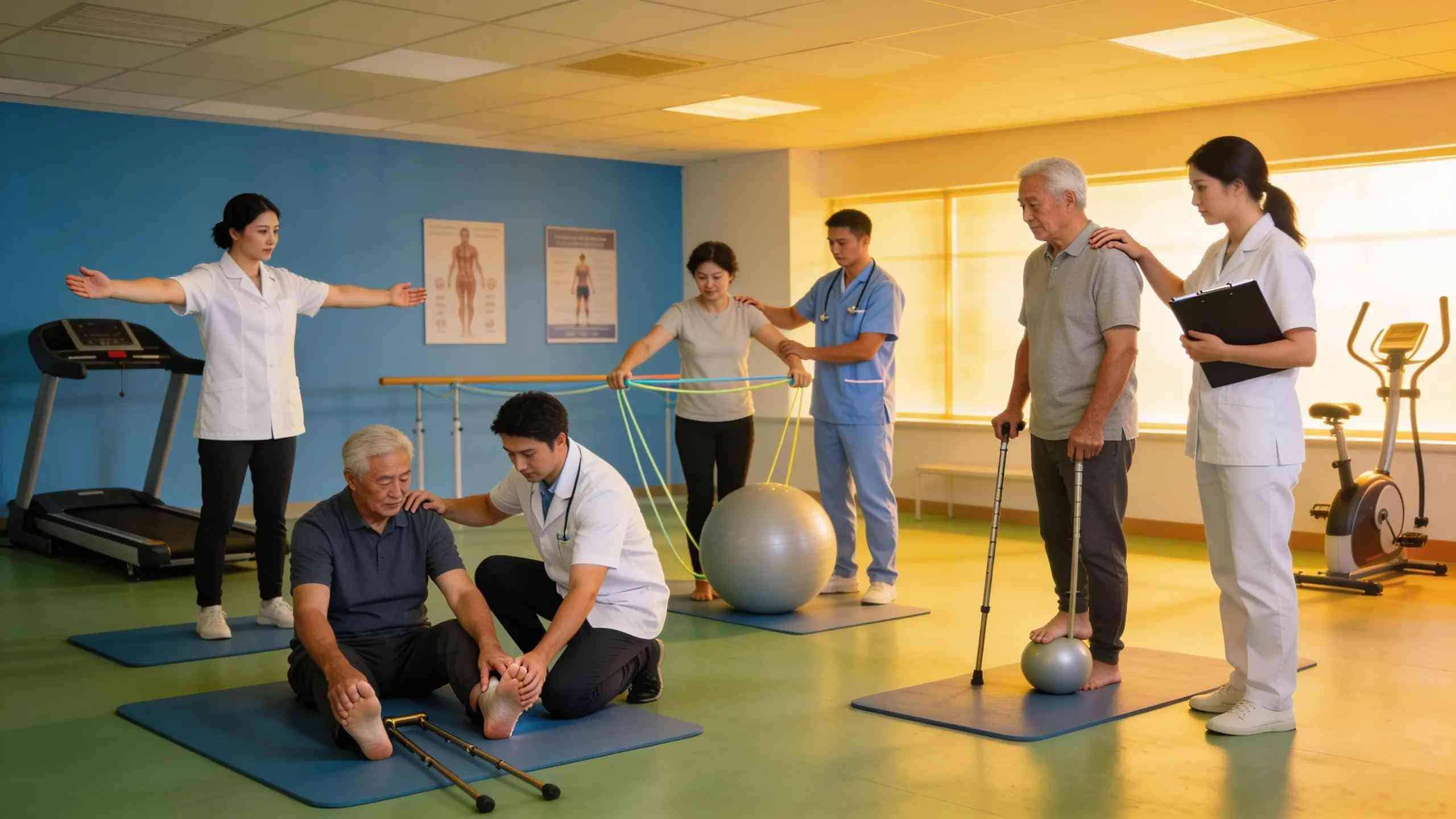
Managing chronic pain, especially in neuropathy, often requires a combination of different therapeutic approaches. A holistic strategy that incorporates various treatments not only addresses immediate pain relief but also focuses on long-term recovery. The synergy of different therapies can lead to more substantial results, allowing patients to reclaim their quality of life.
Potential Benefits
Non-surgical neuropathy relief options present several compelling advantages:
- Improved Nerve Function: Many therapies enhance nerve signaling, which can lead to better overall nerve health.
- Reduced Medication Dependency: Relying on natural therapies can lessen the need for pain medications and minimize potential side effects.
- Personalized Treatment Plans: Tailoring therapies to individual needs increases effectiveness and satisfaction for patients.
Non-surgical alternatives offer a multi-faceted approach to relieving neuropathy symptoms, making them a versatile choice for many individuals seeking relief from chronic pain.
Risks and Considerations
While non-surgical treatments offer numerous benefits, individual responses can vary significantly. It is crucial to consider potential risks, such as:
- Individual Variability in Effectiveness: Not all therapies may yield similar results across different patients.
- Time Commitment Required: Many non-surgical approaches require regular sessions over an extended period to see optimal results.
Patients should always consult with healthcare professionals to tailor a treatment plan that considers their unique circumstances.
Summary
In summary, exploring non-surgical neuropathy relief options reveals a spectrum of natural treatments available for chronic pain management. Each therapy offers unique mechanisms and benefits, allowing individuals the opportunity to choose a personalized path towards recovery. Understanding common neuropathy symptoms and when to seek treatment is also critical for effective management.
Common Symptoms of Neuropathy
Identifying the common symptoms of neuropathy can be pivotal in recognizing the need for intervention. Individuals often report:
- Numbness or Tingling: A prevalent sensation in affected areas, often described as a
Take the Next Step in Your Neuropathy Relief Journey
Ready to explore personalized, non-surgical options for neuropathy treatment and chronic pain management? Discover more about natural therapies tailored to your needs and improve your quality of life today.